
The Soundproofing Debate: Vinyl vs Aluminum Windows Performance Review
Soundproofing windows play a crucial role in maintaining a peaceful and quiet indoor environment, especially in urban areas or near noisy surroundings. The ability of windows to block out external noise can significantly impact the comfort and quality of life for occupants.
Several key factors influence the effectiveness of soundproofing in windows, including the type of material used, the thickness of the glass, the presence of seals and weather stripping, and the overall construction of the window frame. Understanding these factors is essential in choosing the right window option for soundproofing purposes.
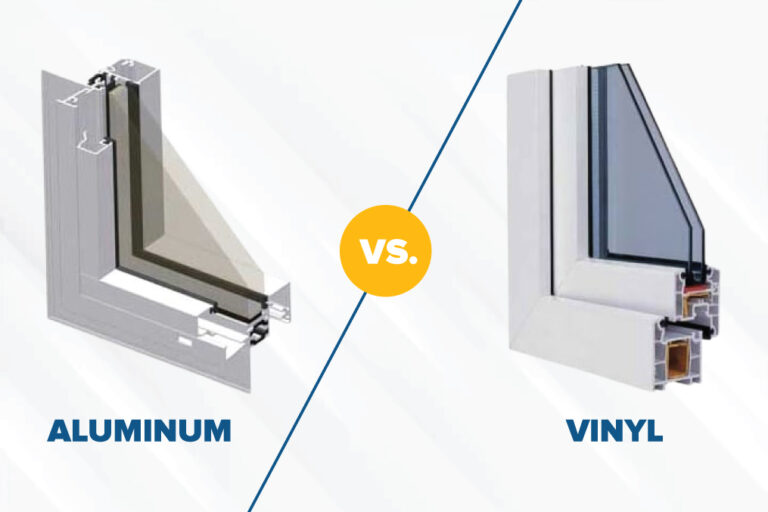
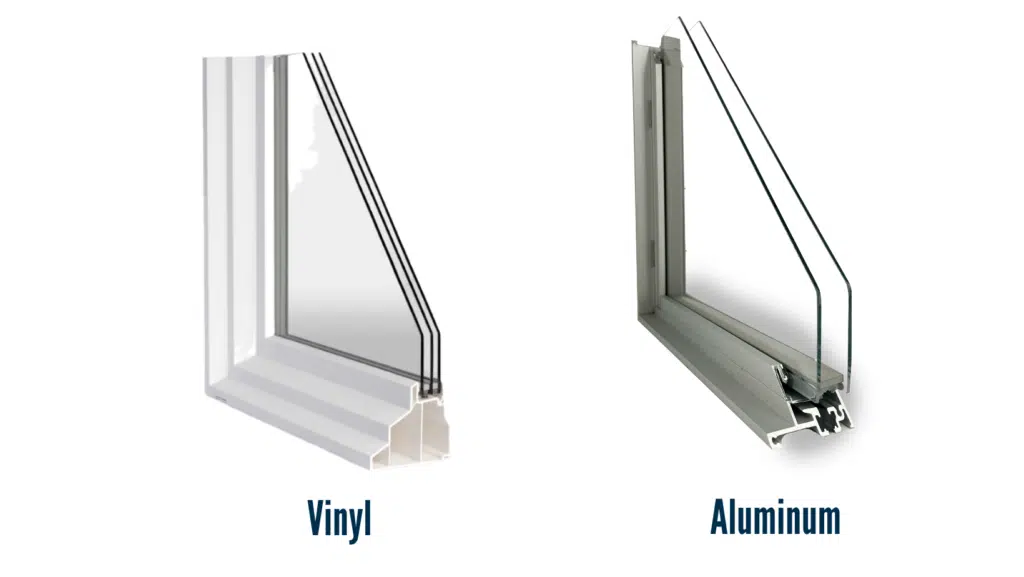
When it comes to soundproofing, comparing vinyl and aluminum windows is essential due to their popularity and distinct characteristics. Vinyl windows are known for their energy efficiency and ability to dampen sound transmission, while aluminum windows are lightweight and durable but may not provide the same level of soundproofing.
Vinyl windows are a popular choice for soundproofing due to their ability to reduce noise transmission effectively. They are constructed using materials that dampen sound waves and prevent them from entering the interior space, providing a quieter and more peaceful environment.
Vinyl windows are designed with multiple panes of glass and insulating materials that create a barrier against outside noise. The construction of vinyl windows helps to absorb and block sound waves, reducing the amount of noise that can pass through the windows.
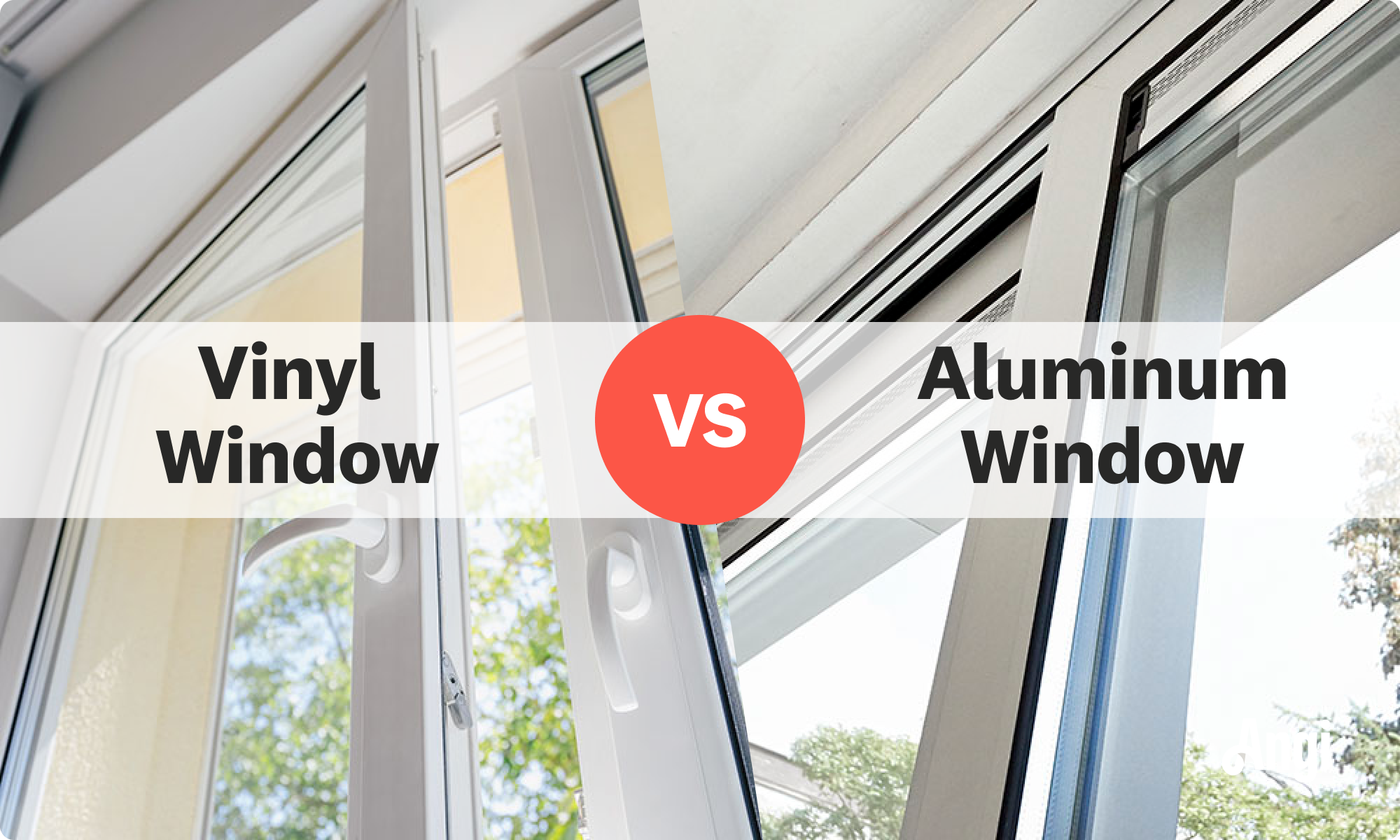
When it comes to soundproofing, aluminum windows offer unique characteristics that make them a popular choice for reducing noise infiltration in buildings.

When it comes to soundproofing performance, both vinyl and aluminum windows offer different levels of noise reduction. Let’s examine how these two types of windows compare in terms of their ability to block out unwanted noise.
One of the key advantages of vinyl windows is their superior soundproofing capabilities compared to aluminum windows. Vinyl frames are thicker and more insulating, which helps reduce noise transmission from outside. In real-world scenarios, vinyl windows are often preferred in areas with high traffic or urban noise pollution.
While aluminum windows are not as effective as vinyl in soundproofing, they can still provide decent noise reduction when properly installed with double or triple glazing. Aluminum frames are more rigid and may transmit more noise compared to vinyl, but they are often chosen for their sleek, modern look and durability.
When it comes to soundproofing windows, the installation process and ongoing maintenance play a crucial role in ensuring maximum effectiveness. Here, we will delve into the specifics of installing and maintaining both vinyl and aluminum windows for soundproofing purposes.
Are vinyl windows more soundproof than aluminum windows?
While both types offer soundproofing benefits, vinyl windows are generally more effective in reducing noise transmission due to their construction and materials.
What are some tips for maintaining the soundproofing effectiveness of windows?
Regularly check for gaps or leaks, use weatherstripping, and consider adding soundproof curtains or blinds for additional noise reduction.