HVAC Inspection Cost: What Technicians Check and When Service Is Needed
HVAC Inspection Cost: What Technicians Check and When Service Is Needed sets the stage for this enthralling narrative, offering readers a glimpse into a story that is rich in detail with casual formal language style and brimming with originality from the outset.
Regular HVAC inspections are crucial for maintaining the efficiency and longevity of your system. Technicians delve into various components to ensure everything is in working order, potentially saving you from costly repairs down the line. Let’s explore the intricacies of HVAC inspections and when service might be necessary.
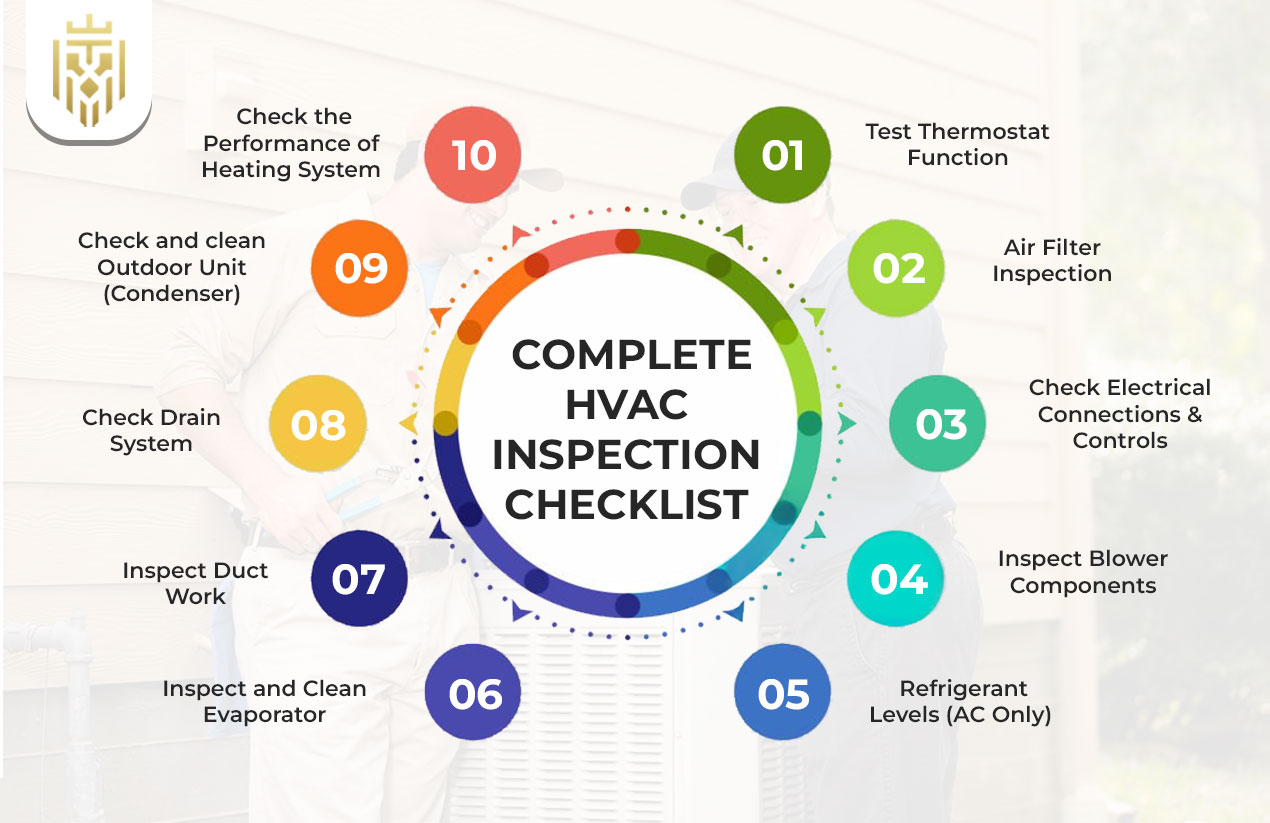
Regular HVAC inspections are crucial for maintaining the efficiency and longevity of your heating, ventilation, and air conditioning systems. By scheduling routine inspections, you can catch potential issues early on, preventing costly repairs or replacements down the line.During an HVAC inspection, technicians typically check various components of the system to ensure everything is functioning properly.
This includes inspecting the thermostat, filters, ductwork, electrical connections, refrigerant levels, and more. They will also clean and lubricate parts as needed to keep the system running smoothly.
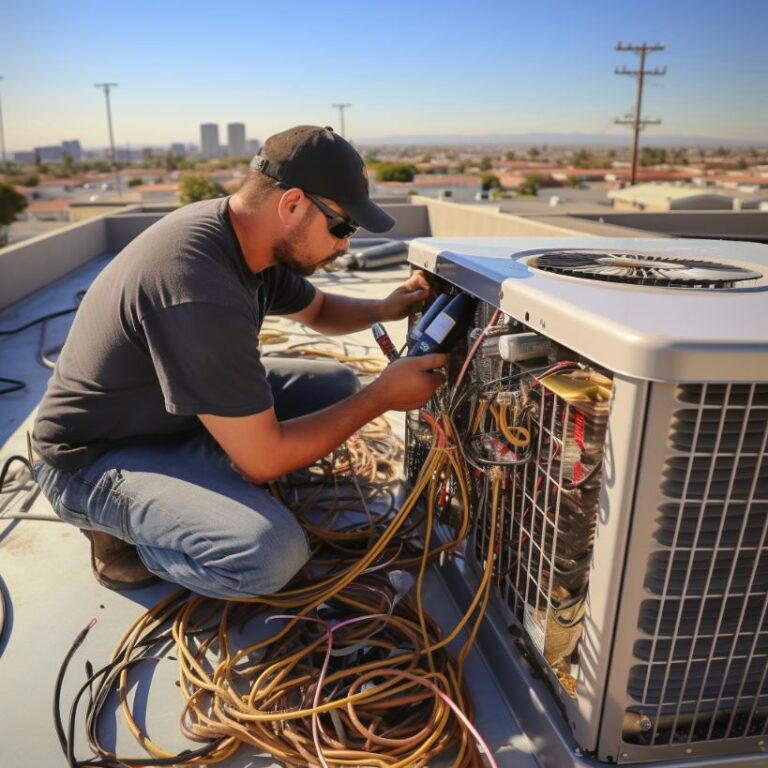
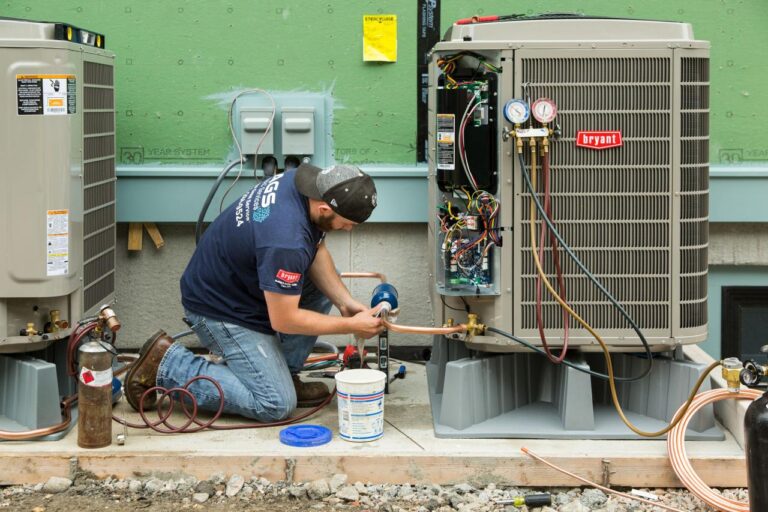
When technicians perform an HVAC inspection, they meticulously examine various components to ensure the system is operating efficiently. Each component plays a crucial role in the overall functioning of the HVAC system and can affect its performance if not properly maintained.
Filters are essential for trapping dust, dirt, and other particles to maintain clean air quality within the home. Clogged filters can restrict airflow, leading to reduced efficiency and strain on the system. Regularly changing or cleaning filters is crucial to prevent issues and maintain optimal performance.
Ductwork is responsible for distributing heated or cooled air throughout the home. Leaks or blockages in the ducts can result in uneven heating or cooling, reduced efficiency, and increased energy consumption. Inspecting ductwork ensures proper airflow and identifies any necessary repairs to maintain efficiency.
The thermostat controls the temperature settings in the home and communicates with the HVAC system to maintain the desired comfort level. A malfunctioning thermostat can lead to temperature fluctuations, inefficient operation, and discomfort. Technicians check the thermostat’s accuracy and calibration to ensure it is functioning correctly.
The condenser and evaporator coils are crucial components in the cooling process of the HVAC system. Dirty or damaged coils can impair heat transfer, leading to reduced cooling capacity and increased energy consumption. Inspecting and cleaning the coils during maintenance helps ensure optimal performance and energy efficiency.
Proper refrigerant levels are essential for the cooling process in air conditioning systems. Low refrigerant levels can indicate a leak in the system, which can lead to decreased cooling capacity and potential damage to the compressor. Technicians check refrigerant levels and address any leaks to maintain system efficiency.
Faulty electrical connections can lead to system malfunctions, inefficiencies, and even safety hazards. Technicians inspect electrical connections, wiring, and components to ensure they are secure and functioning correctly. Addressing any electrical issues promptly can prevent larger problems and ensure safe operation of the HVAC system.
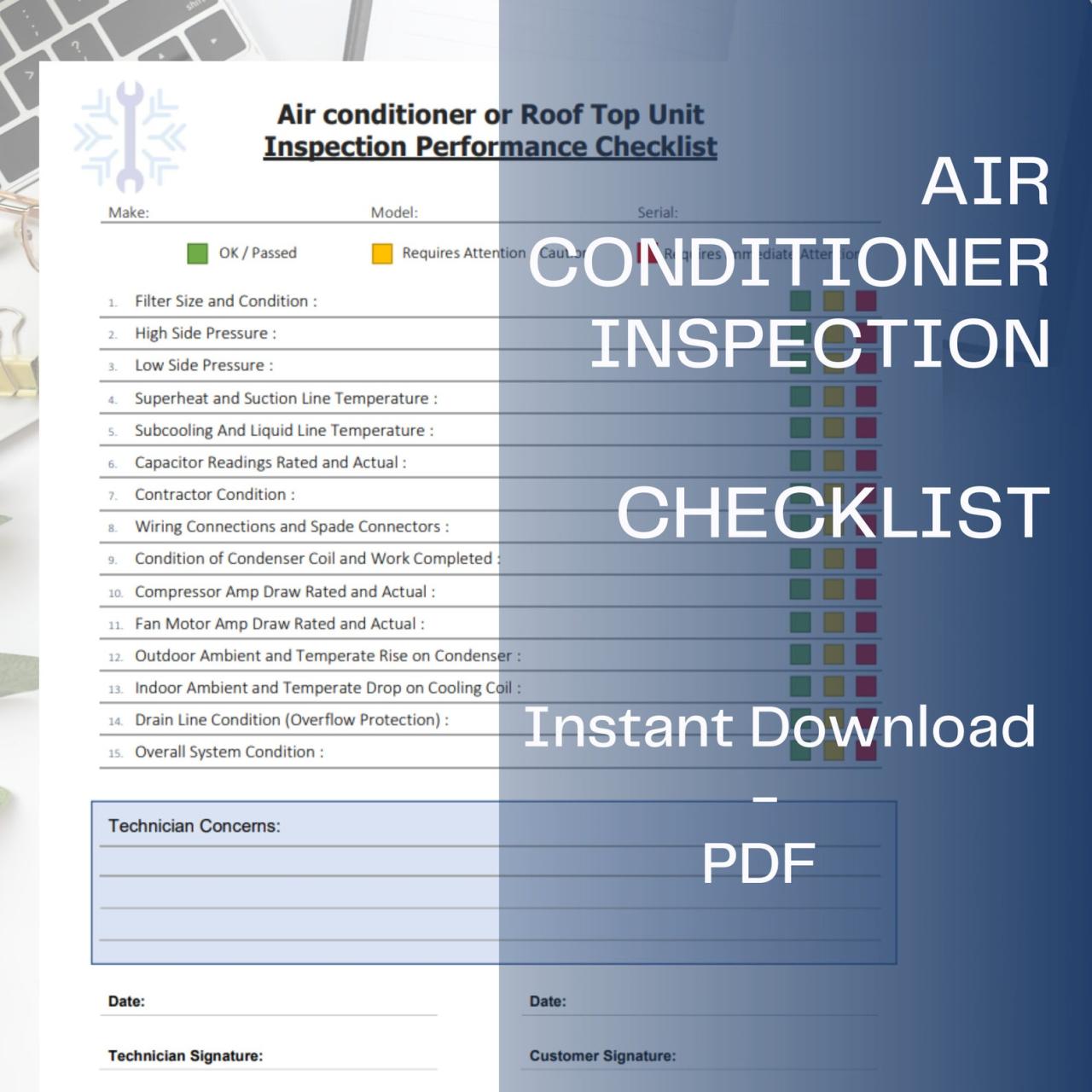
Identifying key signs that indicate the need for HVAC servicing is crucial in maintaining the efficiency and longevity of your system. By recognizing these signs early on, homeowners can prevent larger problems and costly repairs down the line.
One common sign that your HVAC system needs servicing is the presence of unusual noises or odors. Clanking, banging, or squealing noises, as well as musty or burning smells, can indicate underlying issues that require attention.
If you notice inconsistent temperatures throughout your home, with some rooms feeling too hot or too cold, it could be a sign that your HVAC system is not functioning properly. This could be due to issues with the thermostat, ductwork, or the HVAC unit itself.
An unexplained spike in your energy bills could be a sign that your HVAC system is working harder than usual to maintain the desired temperature. This increased energy consumption may be due to a malfunctioning component or lack of maintenance.
If you or your family members are experiencing more allergies, asthma symptoms, or respiratory issues while at home, it could be a result of poor indoor air quality. This could be caused by a dirty air filter, ductwork issues, or other HVAC-related problems.
When it comes to the cost of an HVAC inspection, several factors come into play. These factors can significantly impact the overall price you pay for the service. Let’s explore these factors in more detail below.
The size and type of your HVAC system play a crucial role in determining the cost of an inspection. Larger systems typically require more time and effort to inspect thoroughly, which can result in higher inspection costs. Additionally, the type of HVAC system you have, whether it’s a central air conditioning unit, a heat pump, or a ductless mini-split system, can also influence the inspection cost.
More complex systems may require specialized knowledge and equipment, leading to increased inspection fees.
During an HVAC inspection, technicians may offer additional services in addition to the standard inspection. These additional services can include tasks such as cleaning the HVAC system, replacing filters, checking refrigerant levels, or inspecting ductwork. While these services can help ensure the optimal performance of your HVAC system, they can also add to the overall cost of the inspection.
It’s essential to discuss with your technician which services are included in the inspection and their respective costs to avoid any surprises when the bill arrives.
What are the key signs that indicate the need for HVAC servicing?
Common signs include strange noises, uneven cooling/heating, and increased energy bills. If you notice any of these, it’s best to schedule a service to prevent further issues.
How do the size and type of HVAC system impact inspection costs?
Larger systems or complex types may require more time and resources to inspect thoroughly, leading to higher costs. It’s important to consider these factors when budgeting for HVAC inspections.
Are additional services included in the inspection that affect the overall cost?
Additional services like cleaning ducts or replacing filters can add to the overall cost of an inspection. Discuss with your technician beforehand to understand what’s included in the service.