HVAC System Replacement Cost: Equipment, Labor, and Energy Efficiency Upgrades
When delving into HVAC System Replacement Cost: Equipment, Labor, and Energy Efficiency Upgrades, a world of possibilities opens up. Explore the intricacies of cost factors, equipment details, labor considerations, and energy efficiency upgrades in this informative journey.
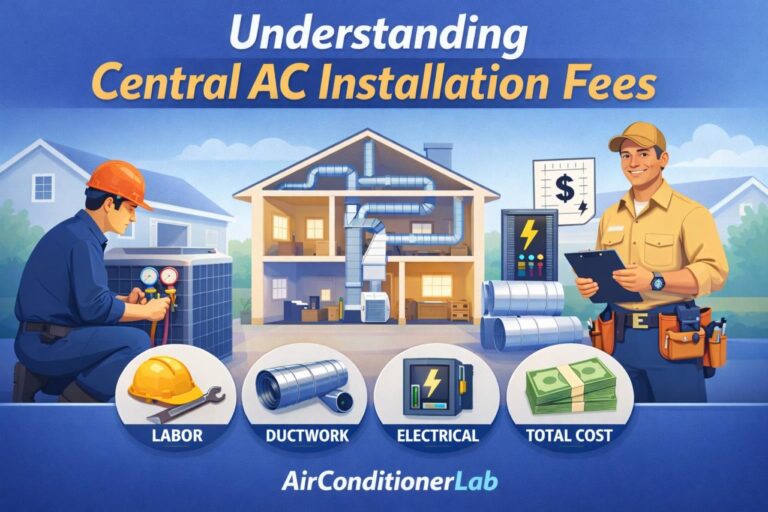
Replacing an HVAC system is a significant investment for homeowners and businesses alike. Several factors contribute to the overall cost of replacing an HVAC system, including equipment, labor, and energy efficiency upgrades.
The size of the property directly impacts the cost of replacing an HVAC system. Larger properties require more powerful and efficient HVAC units, which can increase the overall cost of the replacement. It’s essential to consider the square footage and layout of the property when determining the right HVAC system for optimal performance and cost-effectiveness.
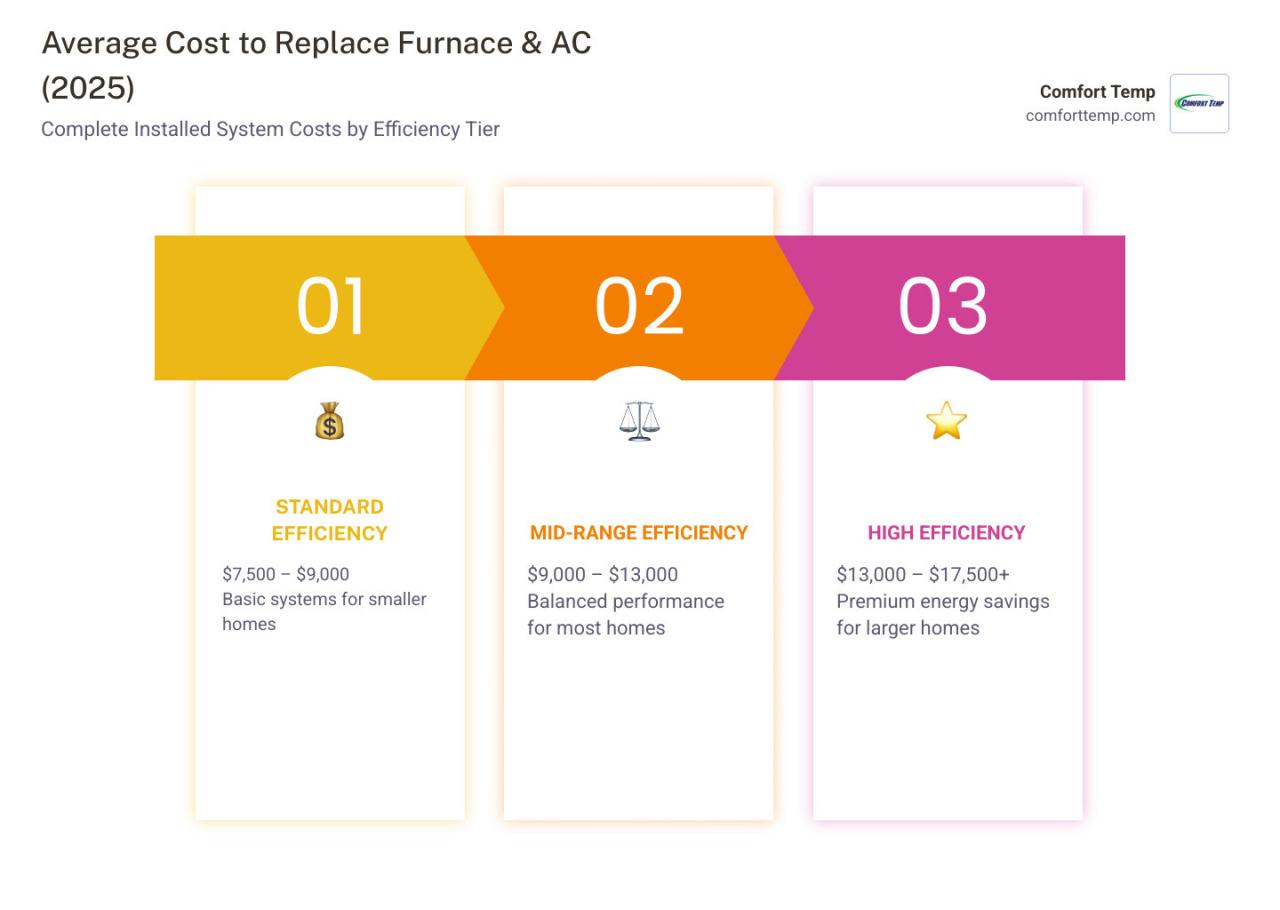
When it comes to HVAC system replacement costs, a significant portion is attributed to the equipment needed for the installation. Understanding the various components and differences in efficiency can help in making informed decisions.Standard HVAC equipment typically costs less upfront compared to high-efficiency models, but they may result in higher energy bills over time.
High-efficiency equipment, on the other hand, may have a higher initial cost but can lead to long-term savings through reduced energy consumption.
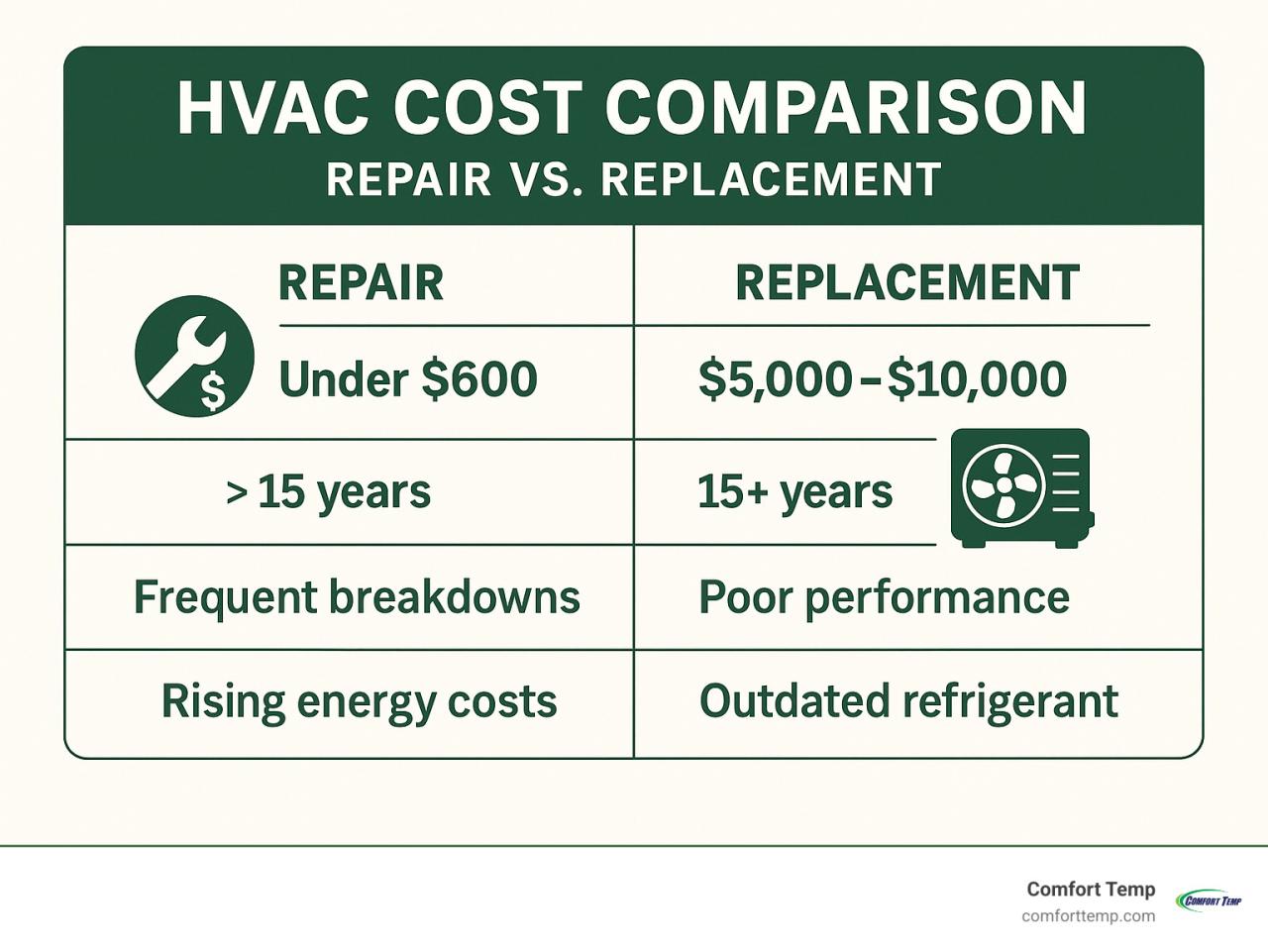
Labor costs play a significant role in determining the overall expense of HVAC system replacement. Professional installation is crucial for ensuring the new system operates optimally and lasts for years to come.
Energy efficiency upgrades play a crucial role in reducing long-term operational costs for HVAC systems. By investing in energy-efficient features, homeowners can not only lower their utility bills but also decrease the environmental impact of their HVAC system.
Investing in energy-efficient HVAC systems can lead to significant savings over time. According to the U.S. Department of Energy, homeowners can save up to 30% on their energy bills by upgrading to energy-efficient heating and cooling equipment. Additionally, some states offer rebates or tax incentives for installing energy-efficient HVAC systems, further reducing the overall replacement costs.
What factors contribute to the cost of replacing an HVAC system?
The size of the property, the type of HVAC system, and any additional upgrades or customizations play a significant role in determining the replacement cost.
What are some common energy-efficient features in modern HVAC systems?
Features like variable-speed motors, programmable thermostats, and zoning systems contribute to energy efficiency and can impact overall replacement costs.
How does professional installation influence HVAC system replacement costs?
Professional installation ensures proper setup and optimal performance of the new system, which can lead to long-term savings despite initial labor costs.