High-Performance Windows Doors: Reducing HVAC Costs with Low-E Glass
High-performance windows and doors are designed to enhance energy efficiency and reduce heat transfer in buildings. These advanced products help maintain indoor temperatures, improve comfort levels, and decrease the reliance on heating, ventilation, and air conditioning (HVAC) systems.
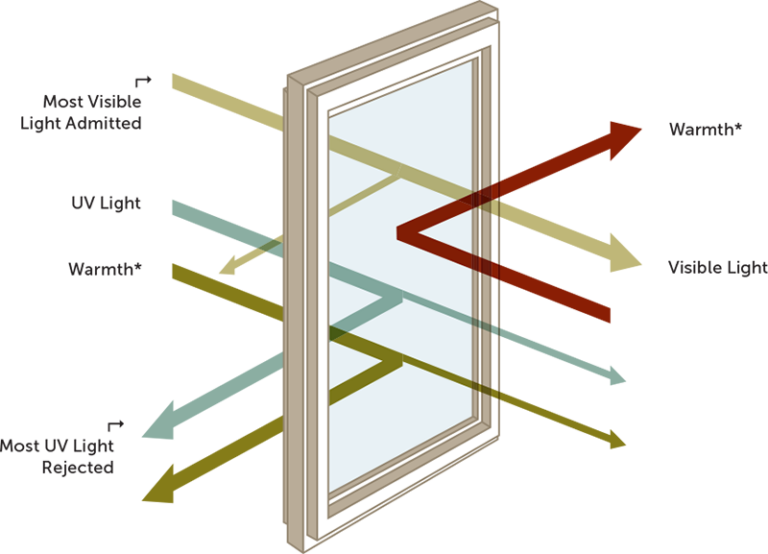
Low-emissivity (low-E) glass is a key component of high-performance windows and doors. This specialized glass coating minimizes the amount of ultraviolet and infrared light that can pass through the glass, reducing heat transfer and enhancing insulation. By utilizing low-E glass, buildings can effectively regulate indoor temperatures, resulting in lower energy consumption and reduced HVAC costs.
Reducing HVAC costs is crucial for both commercial and residential settings due to the significant impact on energy bills and overall operational expenses. High-performance windows and doors equipped with low-E glass offer a sustainable solution to lower energy usage and enhance building efficiency.
By investing in these technologies, property owners can achieve long-term cost savings and environmental benefits.
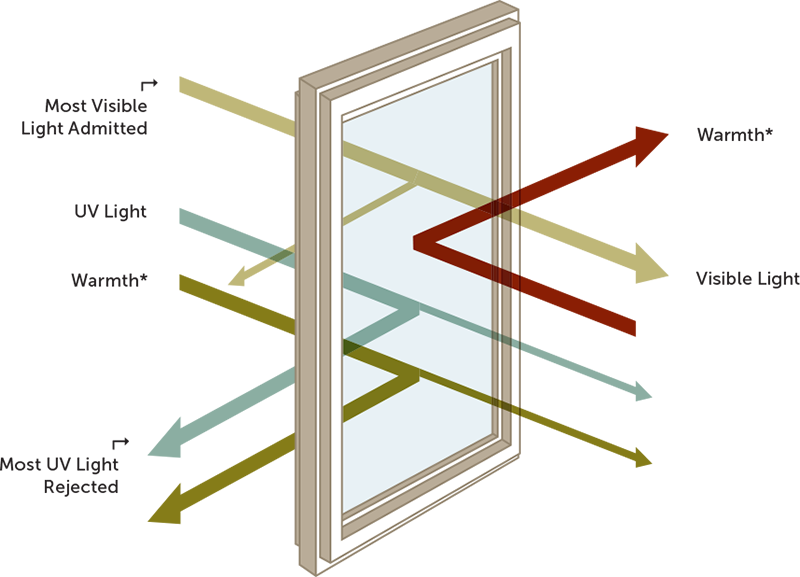
Using low-E glass in windows and doors offers a range of benefits that can significantly impact energy efficiency and indoor comfort levels.
Low-E glass is designed to minimize the amount of ultraviolet and infrared light that can pass through windows and doors. This helps reduce heat transfer, keeping interiors cooler in the summer and warmer in the winter. By blocking these rays, low-E glass can significantly reduce the workload on HVAC systems, leading to lower energy consumption and cost savings.
With traditional glass options, rooms can often experience temperature imbalances, with certain areas feeling too hot or too cold. Low-E glass helps maintain a more consistent indoor temperature by reducing heat transfer. This not only enhances comfort levels for occupants but also reduces the need for constant adjustments to thermostats, creating a more stable and pleasant indoor environment.
In addition to its energy-saving capabilities, low-E glass also provides enhanced protection against harmful UV rays. This helps prevent furniture, flooring, and other interior elements from fading or deteriorating over time due to sun exposure. By filtering out these damaging rays, low-E glass can help preserve the aesthetics and longevity of indoor spaces.
Another advantage of low-E glass is its ability to reduce outside noise infiltration. By adding an extra layer of insulation, this type of glass can help create a quieter and more peaceful indoor environment. This is particularly beneficial for homes located in noisy urban areas or near busy streets, allowing occupants to enjoy a more serene living space.
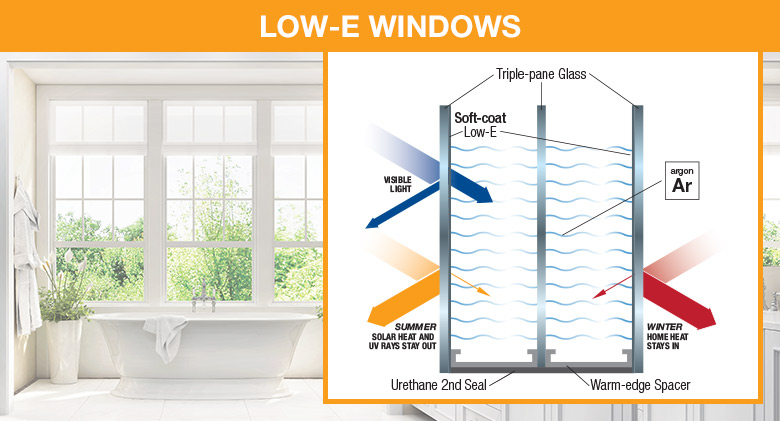
High-performance windows and doors with low-E glass play a crucial role in reducing heating and cooling costs for homeowners. By investing in energy-efficient windows and doors, individuals can experience significant savings on their HVAC expenses over time.
High-performance windows and doors with low-E glass are designed to minimize heat transfer, effectively trapping warmth inside during colder months. This reduces the need for constant heating, leading to lower energy consumption and decreased heating costs.
During hot weather, low-E glass helps to block the entry of unwanted heat from the sun into the interior of the house. This reduces the reliance on air conditioning systems, allowing homeowners to maintain a comfortable indoor temperature without overworking their cooling units.
As a result, cooling expenses are minimized, contributing to overall cost savings.
While the initial investment in high-performance windows and doors with low-E glass may be higher than traditional options, the long-term cost savings are substantial. By reducing the energy consumption of HVAC systems, homeowners can expect lower utility bills month after month.
Additionally, the durability and efficiency of energy-efficient windows and doors result in fewer repairs and replacements over time, further reducing maintenance costs.
When incorporating high-performance windows and doors in a building, several design considerations need to be taken into account to ensure maximum efficiency and effectiveness. These considerations include factors such as orientation, shading, and building materials.
The installation of low-E glass can significantly impact the overall aesthetics of a property. The sleek and modern look of low-E glass can enhance the visual appeal of a building, giving it a more contemporary and sophisticated appearance. Additionally, low-E glass comes in a variety of tints and coatings that can complement the architectural style of the building.
For architects and builders looking to select the right low-E glass products for different climates, it is essential to consider factors such as solar heat gain coefficient (SHGC), visible transmittance (VT), and U-factor. In warmer climates, low-E glass with a lower SHGC can help reduce cooling costs, while in colder climates, a higher SHGC can help with passive solar heating.
It is crucial to choose low-E glass products that are specifically designed for the climate conditions of the region to maximize energy efficiency.
When it comes to high-performance windows and doors with low-E glass, maintenance plays a crucial role in ensuring their longevity and efficiency. Proper care and attention are necessary to maximize the benefits of these energy-efficient features.
Low-E glass is known for its durability, which contributes significantly to the longevity of windows and doors. This type of glass can withstand various environmental conditions and resist corrosion over time, making it a reliable choice for energy-efficient solutions.
What are the key benefits of using low-E glass?
Low-E glass helps in reducing energy consumption by minimizing heat transfer, improving indoor comfort, and providing better insulation compared to traditional glass options.
How does low-E glass impact HVAC costs in buildings?
High-performance windows and doors with low-E glass can significantly reduce heating costs by keeping the warmth inside during cold weather and minimize cooling expenses by blocking heat from entering during hot weather. This leads to long-term savings on HVAC costs.
What maintenance is required for windows and doors with low-E glass?
Regular cleaning with a mild detergent and water is usually sufficient for maintaining low-E glass. Avoid using abrasive materials that can scratch the surface and compromise its energy-efficient properties.