
Architectural Style Guide: Choosing Windows Doors for Heritage Restoration
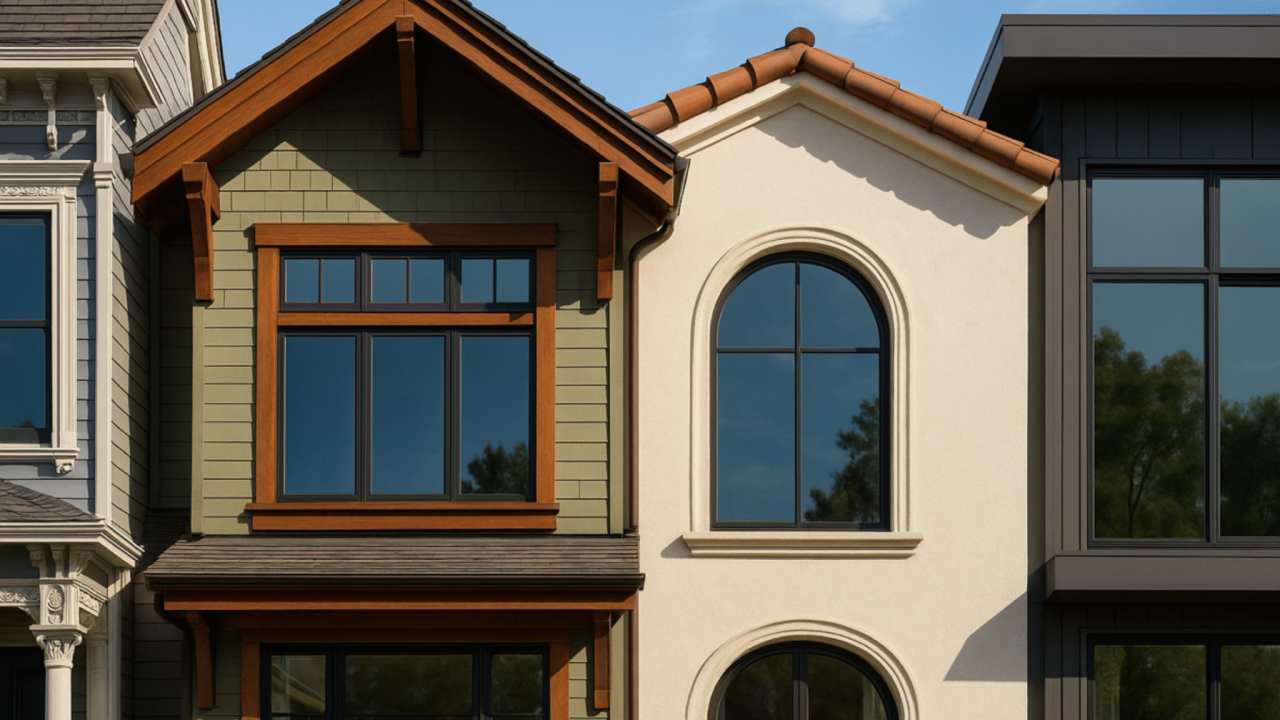
Architectural style guides play a crucial role in heritage restoration projects by providing a framework for preserving the historical integrity of buildings. These guides offer valuable insights into the original design elements and features that define a particular architectural style, helping restoration experts make informed decisions.
Architectural style guides serve as a roadmap for ensuring that heritage buildings are restored in a way that maintains their historical significance. By referencing these guides, restoration professionals can accurately replicate the original design elements, materials, and construction techniques used during the building’s era.
One of the primary purposes of architectural style guides in heritage restoration is to uphold the authenticity of the buildings. These guides help in avoiding the introduction of incompatible elements or modern alterations that could compromise the historical character of the structure.
By following the guidelines laid out in the style guide, restoration projects can stay true to the original architectural intent.
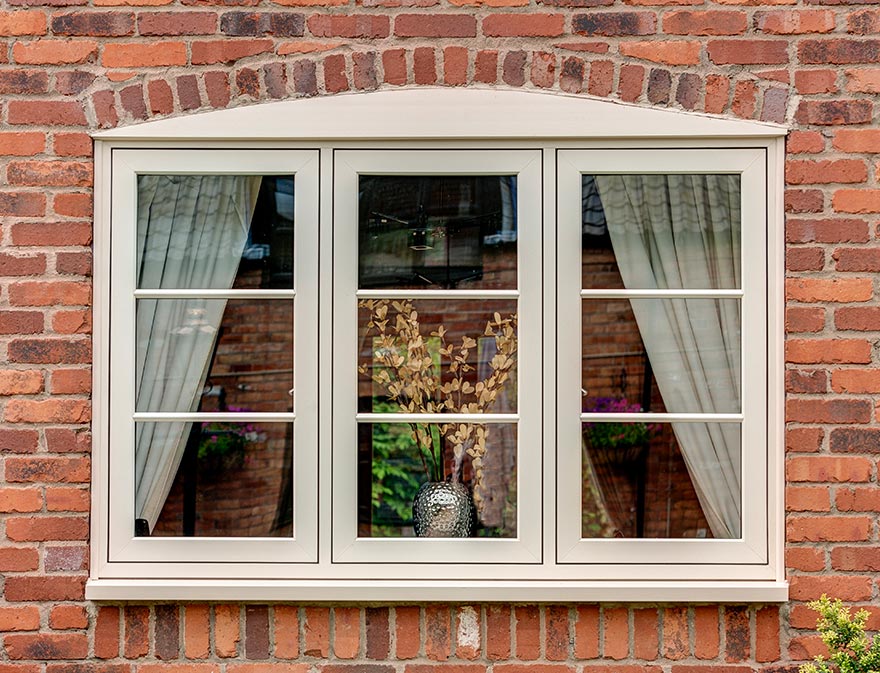
When selecting windows for heritage restoration, there are several key factors to consider to ensure the authenticity and preservation of the historical building.Matching window styles to the original design of the building is crucial in maintaining the architectural integrity and historical significance.
This involves researching the era in which the building was constructed and selecting windows that closely resemble the original ones in terms of materials, design, and proportions.
Choosing windows that match the original design helps to maintain the authenticity of the building.
When embarking on a heritage restoration project, selecting the right doors is crucial to maintaining the historical integrity and architectural authenticity of the building. Several key factors should be taken into consideration to ensure that the chosen doors align with the heritage restoration goals.
When choosing doors for heritage restoration, the materials used, the design of the doors, and historical accuracy play a significant role in preserving the authentic look and feel of the building. Opting for materials such as wood that were commonly used during the era the building was constructed can enhance the historical accuracy.
Additionally, paying attention to design details like paneling, moldings, and hardware that are consistent with the architectural style of the building is essential to maintaining its original charm.
The choice of door styles can have a profound impact on the overall architectural aesthetic of a heritage building. For example, a grand double door entrance with intricate carvings and embellishments can add a sense of elegance and grandeur to a Victorian-era mansion.
On the other hand, a simple, rustic wooden door with wrought iron hardware may be more fitting for a farmhouse built in the Colonial style. By carefully considering the architectural style of the building and selecting doors that complement it, you can enhance the visual appeal and historical significance of the restoration project.
When it comes to restoring heritage buildings, finding the balance between modern functionality and preserving historical charm is crucial. Integrating contemporary features while maintaining the unique identity of a heritage structure can be a challenging yet rewarding task.
One way to balance modern functionality with heritage aesthetics is to carefully select materials and design elements that complement the existing architectural style. For example, incorporating energy-efficient windows that mimic the look of traditional divided-light windows can enhance the building’s efficiency without compromising its historic character.
One notable example of successfully blending modern functionality with heritage aesthetics is the renovation of the Tate Britain in London. The gallery’s historic facade was preserved, while the interior was reimagined to accommodate contemporary exhibition spaces and amenities. This project demonstrates how thoughtful design choices can breathe new life into a heritage building without overshadowing its historical significance.
How important are architectural style guides in heritage restoration?
Architectural style guides play a crucial role in maintaining the historical integrity of heritage buildings by providing guidelines for restoration projects.
What factors should be considered when choosing windows for heritage restoration?
Key factors include matching window styles to the original design, considering energy efficiency, and ensuring they complement the overall aesthetic.
Why is the selection of doors important in heritage restoration?
Doors contribute significantly to the architectural aesthetic of a heritage building, so factors like materials, design, and historical accuracy must be carefully considered.
How can modern functionality be balanced with heritage aesthetics?
Integrating modern features while preserving historical charm involves thoughtful design techniques that harmoniously blend the old with the new.