
Smart Windows Doors: Integrating IoT Security into Home Entrances

Introduction to Smart Windows and Doors

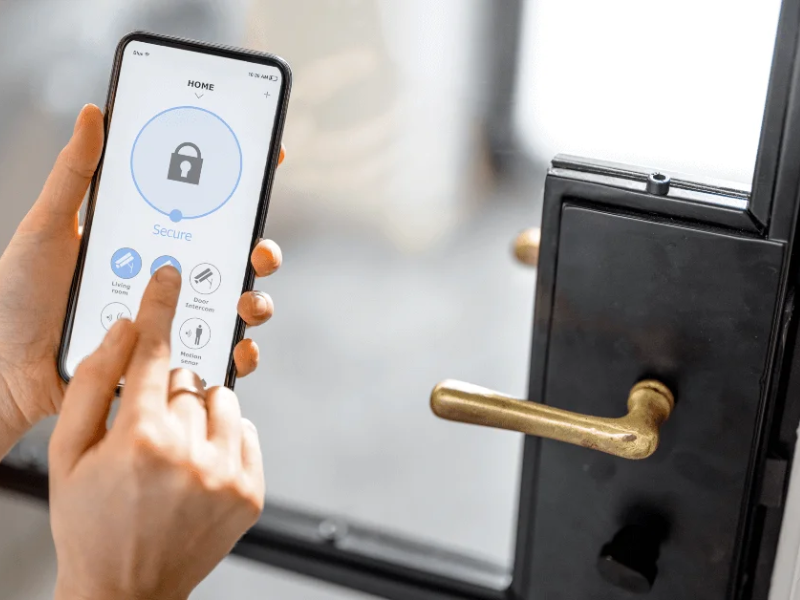
Smart windows and doors are innovative home entrances equipped with IoT (Internet of Things) technology to enhance security and convenience for homeowners. These intelligent systems can be controlled remotely through smartphones or other connected devices, allowing users to monitor and manage access to their homes more efficiently.

Benefits of Integrating IoT Security into Home Entrances

Integrating IoT security into home entrances offers various benefits, such as:

  • Enhanced Security: Smart windows and doors can provide real-time alerts and notifications in case of unauthorized access attempts, offering peace of mind to homeowners.
  • Convenience: The ability to remotely lock or unlock doors, control window shades, and monitor activity from anywhere provides convenience and flexibility to homeowners.
  • Energy Efficiency: Some IoT devices for windows and doors can help regulate temperature and lighting, contributing to energy savings and a more sustainable home environment.

Examples of IoT Devices for Windows and Doors

There are various IoT devices that can enhance the security of windows and doors, including:
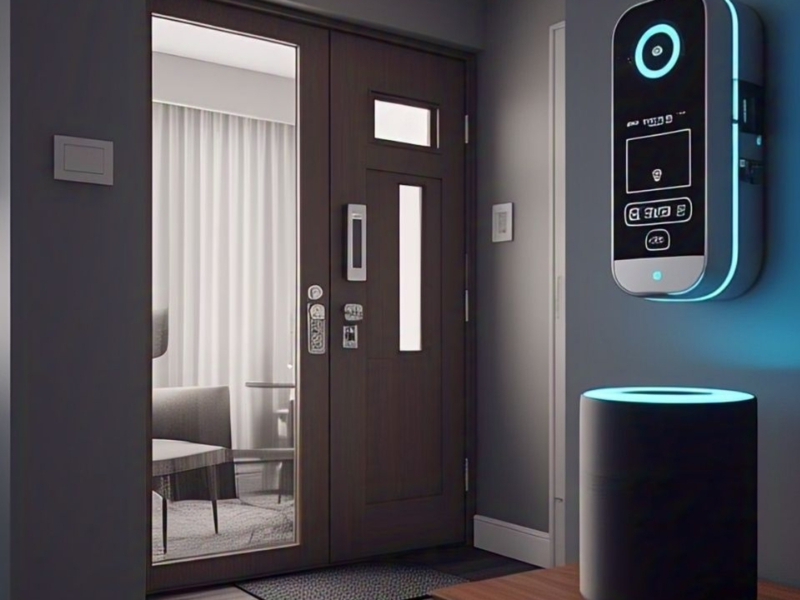
  • Smart Locks: These devices allow homeowners to control access to their homes through digital keys and remote management features.
  • Security Cameras: IoT-enabled cameras can provide live video feeds and motion detection alerts for monitoring the surroundings of windows and doors.
  • Smart Sensors: These sensors can detect changes in temperature, humidity, or movement to trigger automated responses for improved security measures.

IoT Security Features for Smart Windows and Doors

Smart Windows: Integrating Technology into Your Home - Orchestra Patio Door

Smart windows and doors equipped with IoT technology offer a range of security features to enhance the safety and protection of homes. These features are essential in safeguarding against unauthorized access and potential security breaches.

Types of IoT Security Protocols

Different types of IoT security protocols can be integrated into smart windows and doors to ensure secure communication and data transmission. Some common protocols include:

  • Wi-Fi Protected Access (WPA/WPA2): Offers encryption and authentication to secure wireless networks.
  • Zigbee: Low-power, low-data rate protocol with built-in security features for IoT devices.
  • Z-Wave: Wireless communication protocol focused on home automation, with encryption for secure data exchange.
  • Bluetooth Low Energy (BLE): Energy-efficient protocol with enhanced security features for IoT applications.

The Importance of Encryption

Encryption plays a crucial role in ensuring the security of smart windows and doors by encoding data to prevent unauthorized access. It provides a secure way to transmit sensitive information and protect against cyber threats. Implementing strong encryption algorithms, such as AES (Advanced Encryption Standard), helps in securing communication channels and maintaining the integrity of IoT devices.
Vulnerabilities and Risks

Smart Windows: Integrating Technology into Your Home - Orchestra Patio Door

Smart windows and doors integrated with IoT technology bring convenience and efficiency to home entrances. However, along with these benefits come vulnerabilities and risks that need to be addressed to ensure the security of the smart home ecosystem.

Common Vulnerabilities Associated with IoT Devices in Home Entrances

IoT devices in home entrances are susceptible to various vulnerabilities that can be exploited by malicious actors. Some common vulnerabilities include:

  • Weak or default passwords: Many IoT devices come with default login credentials, which are often not changed by users, making them an easy target for hackers.
  • Lack of encryption: Data transmitted between IoT devices and the cloud may not be properly encrypted, leaving it vulnerable to interception.
  • Outdated software: Failure to update software on IoT devices can leave them open to known security vulnerabilities that have not been patched.

Potential Risks of Cyber-Attacks on Smart Windows and Doors

Cyber-attacks on smart windows and doors can have serious consequences, compromising the security and privacy of a home. Some potential risks include:

  • Unauthorized access: Hackers could gain access to smart windows and doors, allowing them to enter the home without detection.
  • Data breaches: Personal information collected by smart devices could be stolen and used for malicious purposes.
  • Physical safety risks: Malicious actors could manipulate smart windows and doors to cause physical harm or property damage.

Strategies to Mitigate Security Risks and Safeguard Smart Home Entrances

To mitigate security risks and safeguard smart home entrances, it is essential to implement robust security measures. Some strategies include:

  • Change default passwords: Ensure that default passwords on IoT devices are changed to strong, unique passwords to prevent unauthorized access.
  • Enable encryption: Use encryption protocols to secure data transmitted between smart windows and doors and other devices on the network.
  • Regular software updates: Keep IoT devices up to date with the latest software updates and security patches to address known vulnerabilities.
  • Network segmentation: Separate IoT devices from the main network to prevent unauthorized access to sensitive information.

Integration with Smart Home Systems

Smart windows and doors can be seamlessly integrated into existing smart home ecosystems, allowing for a more cohesive and convenient home automation experience. By connecting these elements to a centralized smart home system, homeowners can enjoy enhanced security features and greater control over their living spaces.

Benefits of a Centralized Smart Home System

  • Efficient Security Management: With smart windows and doors integrated into a central system, users can monitor and control access points from a single interface, enhancing overall security measures.
  • Convenience and Accessibility: A centralized smart home system allows for remote monitoring and control of smart windows and doors, providing homeowners with peace of mind and convenience.
  • Integration with Other Smart Devices: By connecting smart windows and doors to a central hub, users can create automation scenarios that involve other smart devices in the home, such as lights, thermostats, and security cameras.

Automation Scenarios Involving Smart Windows and Doors

  • Automated Locking: Smart windows and doors can be programmed to automatically lock when the homeowner leaves the house, enhancing security measures.
  • Integration with Security Cameras: When a smart window or door is opened, security cameras can be triggered to start recording, providing real-time footage of any potential security breaches.
  • Energy Efficiency: Smart windows can be connected to thermostats to regulate the temperature inside the home, ensuring optimal energy efficiency based on the status of windows and doors.

General Inquiries

What are the common vulnerabilities associated with IoT devices in home entrances?

Common vulnerabilities include weak passwords, outdated software, and lack of encryption.

How can encryption ensure the security of smart windows and doors?

Encryption plays a vital role in protecting data transmitted between IoT devices, preventing unauthorized access.

Can smart windows and doors be integrated into existing smart home ecosystems?

Yes, smart windows and doors can seamlessly integrate with other smart devices within a home, enhancing overall security and convenience.

Leave a Reply

Your email address will not be published. Required fields are marked *