
Vinyl vs Aluminum Windows: Comparing Durability in Coastal vs. Inland Areas
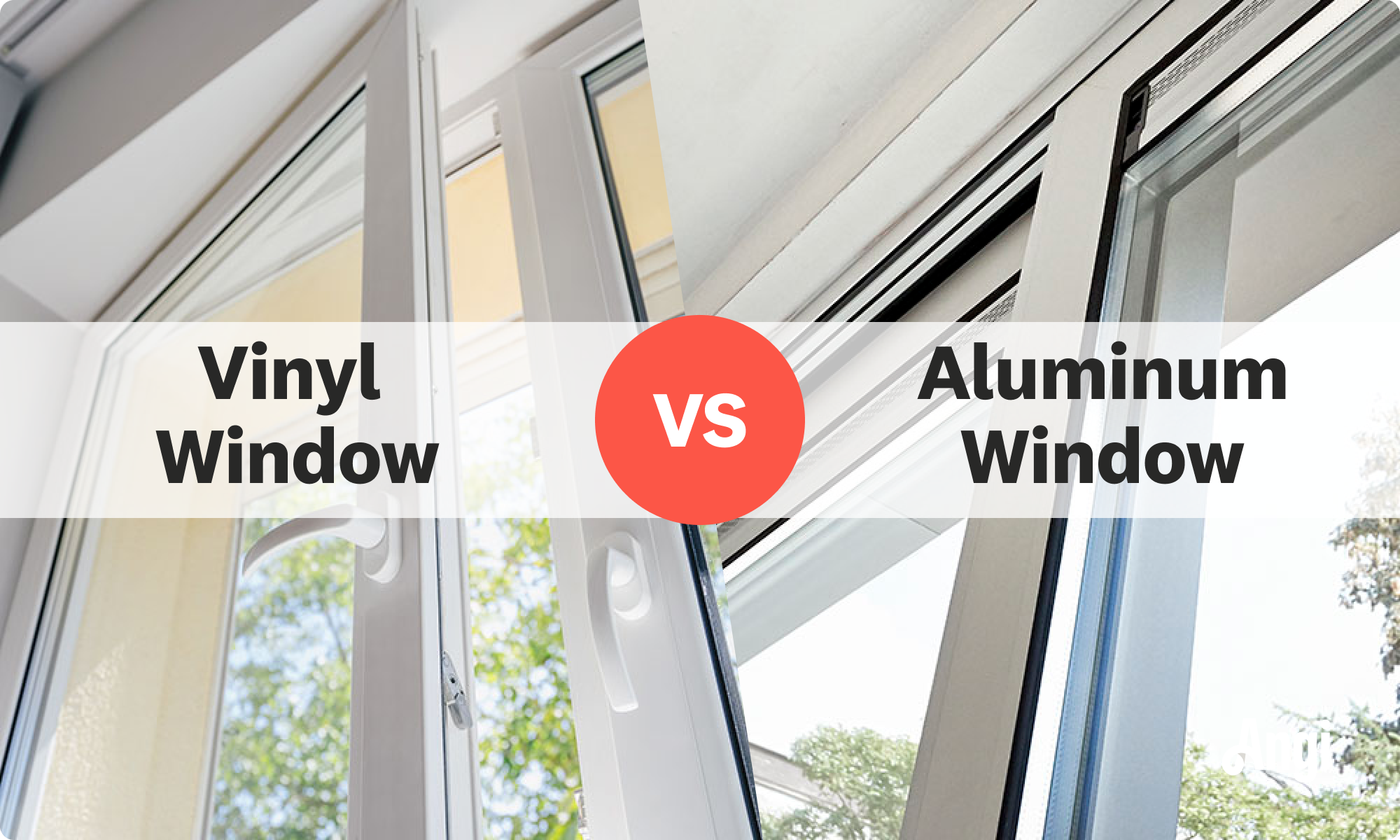
Vinyl vs. Aluminum Windows

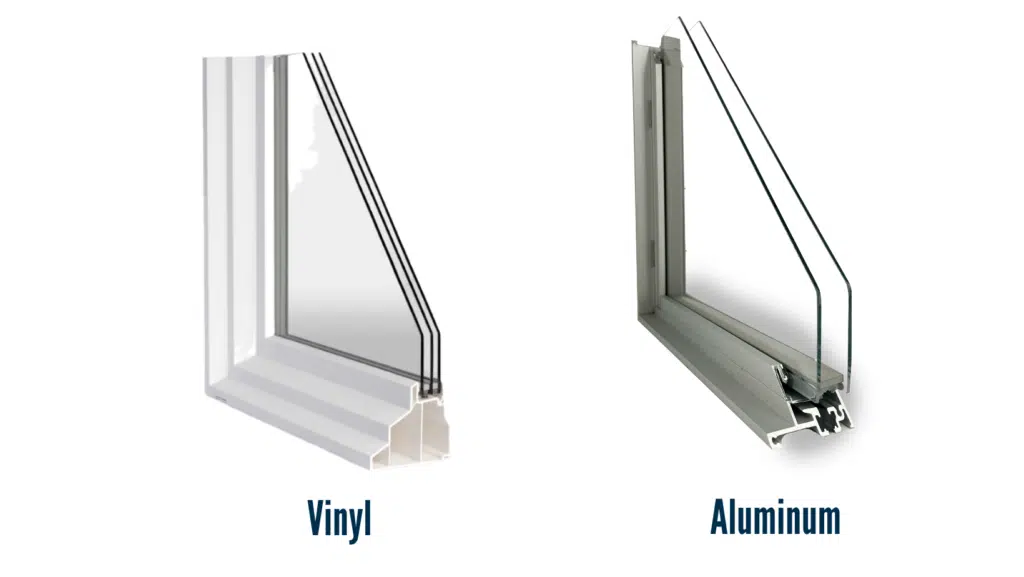
Vinyl windows are made from PVC (polyvinyl chloride) material, which is known for its durability, energy efficiency, and low maintenance requirements. These windows are available in a variety of colors and styles, making them a popular choice for many homeowners.
Vinyl windows are also resistant to corrosion, fading, and warping, making them suitable for different climates.Aluminum windows, on the other hand, are known for their strength and sleek, modern design. They are lightweight, yet sturdy, and offer a slim frame profile that allows for larger glass areas.
Aluminum windows are also highly recyclable, making them an environmentally friendly option. However, aluminum is prone to corrosion in coastal areas due to exposure to saltwater and moisture.
Material, Design, and Functionality Comparison
- Vinyl windows are typically more energy-efficient than aluminum windows, providing better insulation and reducing energy costs.
- Aluminum windows are stronger and more resistant to impact compared to vinyl windows, making them a good choice for areas prone to extreme weather conditions.
- Vinyl windows require minimal maintenance, while aluminum windows may need periodic repainting to prevent corrosion in coastal regions.
- Aluminum windows offer a more modern and sleek aesthetic, with thinner frames that allow for larger glass areas, whereas vinyl windows have a bulkier frame profile.
- Both vinyl and aluminum windows come in a variety of styles and colors to suit different architectural designs and preferences.
Durability in Coastal Areas
When it comes to coastal areas, the environment poses unique challenges to the durability of windows. Factors like saltwater, high humidity levels, and strong winds can significantly impact the longevity of windows in these regions.
Impact of Saltwater and Humidity
- Saltwater exposure can lead to corrosion and deterioration of vinyl windows over time.
- High humidity levels can accelerate the breakdown of window seals and frames, leading to decreased efficiency and durability.
Advantages and Disadvantages of Aluminum Windows
- Advantages:Aluminum windows are resistant to corrosion and can withstand exposure to saltwater better than vinyl windows.
- Disadvantages:Aluminum windows are prone to thermal conductivity, which can lead to poor insulation and energy efficiency in coastal areas.
Durability in Inland Areas
When it comes to the durability of vinyl windows in inland areas, the climate plays a significant role in determining their longevity and performance.
Effects of Climate on Vinyl Windows
Inland areas often experience more extreme temperature variations compared to coastal regions. These fluctuations can cause vinyl windows to expand and contract, leading to potential warping or cracking over time.
Impact of Dust and Pollution
The presence of dust and pollution in inland areas can also affect the durability of vinyl windows. Dust buildup can accumulate on the window frames, affecting their appearance and potentially leading to issues with functionality.
Comparison with Aluminum Windows
Aluminum windows tend to perform better in inland areas compared to coastal regions. The material is more resistant to temperature changes and less prone to warping, making them a more durable option for areas with extreme climate conditions.
Maintenance and Longevity

Vinyl and aluminum windows have different maintenance requirements that can impact their longevity in coastal and inland areas. Let’s delve into the specifics to understand how to ensure optimal durability for each type of window.
Vinyl Windows Maintenance
- Regular Cleaning: Vinyl windows should be cleaned at least twice a year using a mild detergent and water to remove dirt and salt buildup, especially in coastal areas.
- Inspect Seals and Caulking: Check the seals and caulk around the vinyl windows annually to ensure they are intact and prevent any leaks or drafts.
- Avoid Harsh Chemicals: Refrain from using abrasive cleaners or chemicals that can damage the vinyl material, leading to cracks or discoloration.
- Repainting: Vinyl windows do not require repainting like wooden windows, but if you notice any chipping or fading, consider using vinyl-safe paint for touch-ups.
Longevity of Aluminum Windows
Aluminum windows are known for their durability and longevity, especially in inland areas where they are less exposed to corrosive elements like salt. However, in coastal regions, the salt air can cause aluminum frames to corrode over time, reducing their lifespan compared to vinyl windows.
Tips to Extend Lifespan
- Coastal Areas: For vinyl windows in coastal areas, increase the frequency of cleaning to remove salt residue and consider applying a protective coating to prevent corrosion. For aluminum windows, regular cleaning and applying a protective finish can help prolong their lifespan.
- Inland Areas: In less corrosive environments, both vinyl and aluminum windows can last longer with routine maintenance such as cleaning, inspecting for damage, and addressing any issues promptly.
- Professional Inspection: Periodically have a professional inspect your windows to identify any potential problems early on and address them before they escalate.
- Climate Considerations: Take into account the climate of your area when choosing between vinyl and aluminum windows, as this can impact their longevity and maintenance requirements.
Helpful Answers
What are the main differences between vinyl and aluminum windows?
Vinyl windows are known for their energy efficiency and low maintenance, while aluminum windows are more durable and lightweight.
How does saltwater affect the longevity of vinyl windows in coastal areas?
Saltwater can corrode vinyl frames over time, reducing their lifespan in coastal regions.
What are some tips to extend the lifespan of both vinyl and aluminum windows in coastal areas?
Regular cleaning and maintenance can help prolong the lifespan of both types of windows in coastal environments.