The Importance of Industrial HVAC Maintenance: A Comprehensive Guide
Industrial HVAC systems play a crucial role in maintaining a comfortable and safe working environment in various industrial settings. These systems are responsible for regulating temperature, humidity, and air quality to ensure optimal working conditions for employees.
Regular maintenance of industrial HVAC systems is essential to ensure their efficient operation and longevity. Proper maintenance helps prevent costly breakdowns, reduces energy consumption, and prolongs the lifespan of the equipment. It also ensures that the system operates at peak performance, providing consistent comfort levels throughout the facility.
Regular maintenance of industrial HVAC systems can bring various benefits to a facility, including cost savings, improved energy efficiency, and a healthier indoor environment for employees.
Industrial HVAC systems consist of various key components that work together to maintain a comfortable environment within a commercial or industrial space. Each component plays a crucial role in ensuring proper functioning and efficiency of the system.
The AHU is responsible for circulating and regulating the flow of air throughout the building. It contains components such as filters, coils, fans, and dampers that help in heating, cooling, and ventilating the air. The AHU is essential in maintaining indoor air quality and temperature control.
Chillers are used to cool the air or water in the HVAC system. They remove heat from the air or water by transferring it to a refrigerant. Chillers are commonly used in large industrial buildings and facilities to maintain a comfortable temperature.
Boilers are crucial components in industrial HVAC systems that provide heating by converting water into steam or hot water. The steam or hot water is then circulated through the building to maintain a warm environment during colder months.
The ventilation system is responsible for bringing fresh outdoor air into the building while removing stale indoor air. It helps in regulating humidity levels, removing odors, and ensuring proper air circulation for a healthy indoor environment.
Ductwork is a network of channels that distribute heated or cooled air throughout the building. Properly designed and maintained ductwork is essential for efficient airflow and temperature control in industrial HVAC systems.
VAV systems adjust the airflow based on the heating and cooling needs of different areas within a building. This helps in maintaining consistent temperatures and improving energy efficiency by only delivering the necessary amount of conditioned air.
BAS is an advanced component used in modern industrial HVAC systems to monitor and control various HVAC equipment and systems. It helps in optimizing energy usage, scheduling maintenance tasks, and providing real-time data for efficient operation.
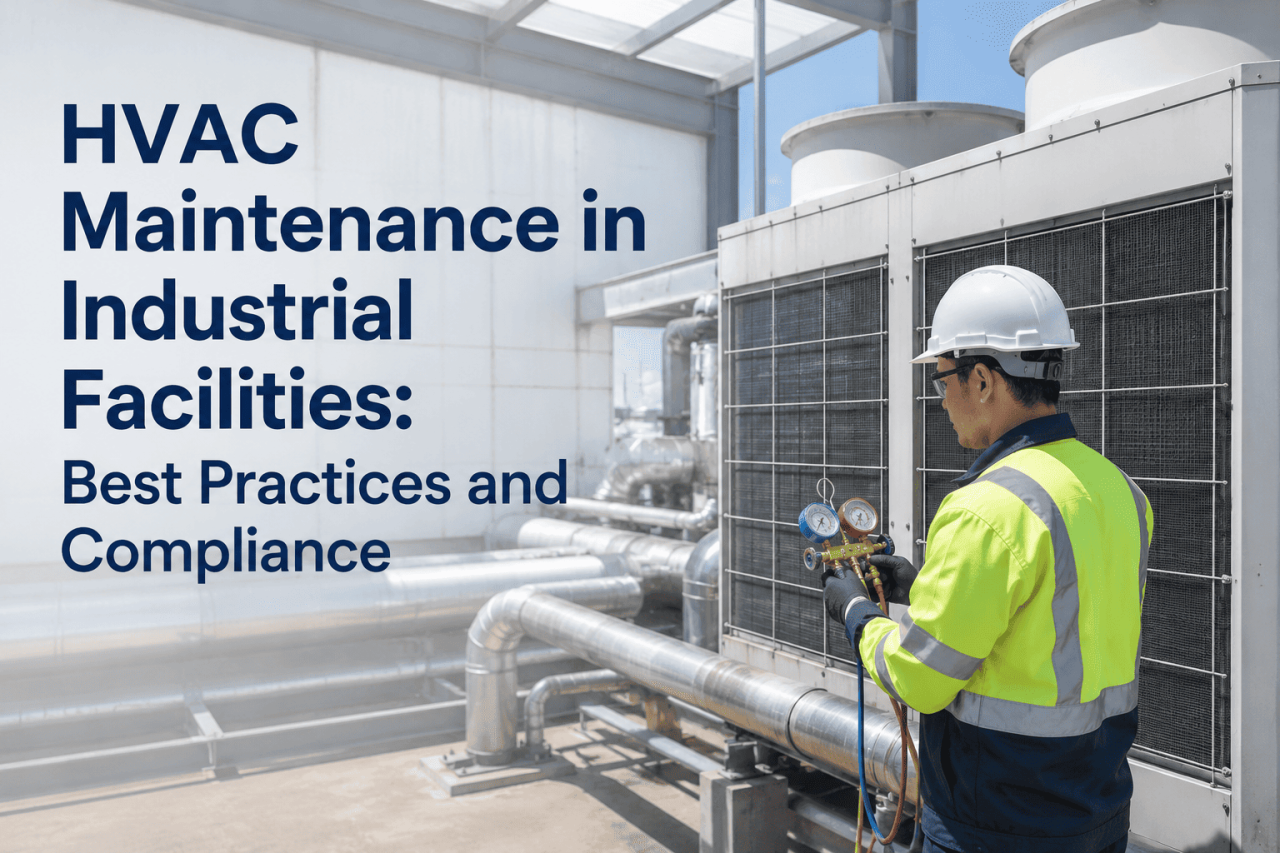
Preventive maintenance is a proactive approach to maintaining industrial HVAC systems, focusing on regular inspections, cleaning, and minor repairs to prevent major breakdowns. By implementing a preventive maintenance schedule, businesses can avoid costly repairs and downtime, ensuring that their HVAC systems operate efficiently and effectively.
In industrial settings, HVAC systems can encounter various issues that can impact both productivity and employee comfort. It is essential to address these problems promptly to ensure the efficient operation of the system and maintain a comfortable working environment.
Inadequate ventilation, dirty filters, or mold growth can lead to poor air quality in industrial facilities. This can result in respiratory issues, allergies, and other health problems for employees. Regularly changing filters, cleaning ducts, and ensuring proper ventilation can help improve air quality.
Uneven heating or cooling throughout the facility can lead to discomfort for employees. This issue may be caused by faulty thermostats, clogged ducts, or malfunctioning equipment. Regular maintenance and calibration of HVAC components can help ensure consistent temperature control.
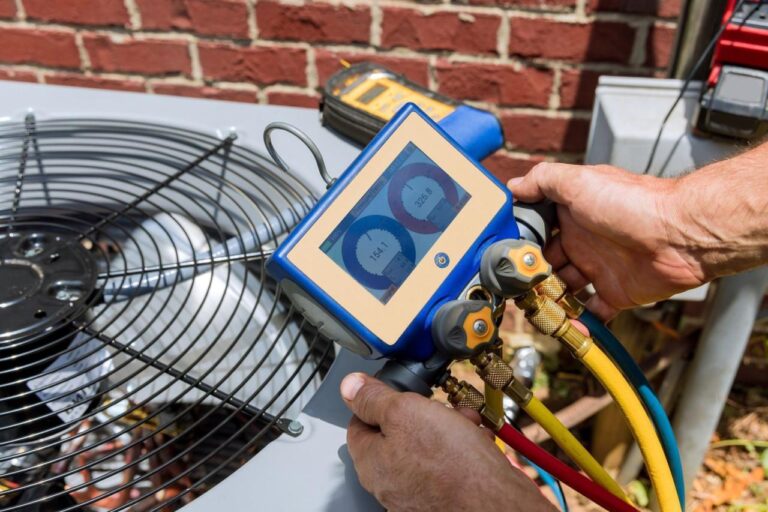
Refrigerant leaks in industrial HVAC systems can result in reduced cooling capacity and increased energy consumption. Detecting and repairing leaks promptly can prevent equipment damage and maintain optimal system performance. Regular inspections and leak detection tests are crucial in preventing refrigerant leaks.
Loud noises coming from HVAC equipment can be disruptive to employees and indicate underlying issues such as loose components or worn-out parts. Regular inspections and maintenance can help identify and address these issues before they escalate.
Industrial facilities with inefficient HVAC systems may experience high energy bills and excessive energy consumption. Regular maintenance, cleaning, and tuning of HVAC equipment can improve energy efficiency and reduce operational costs.
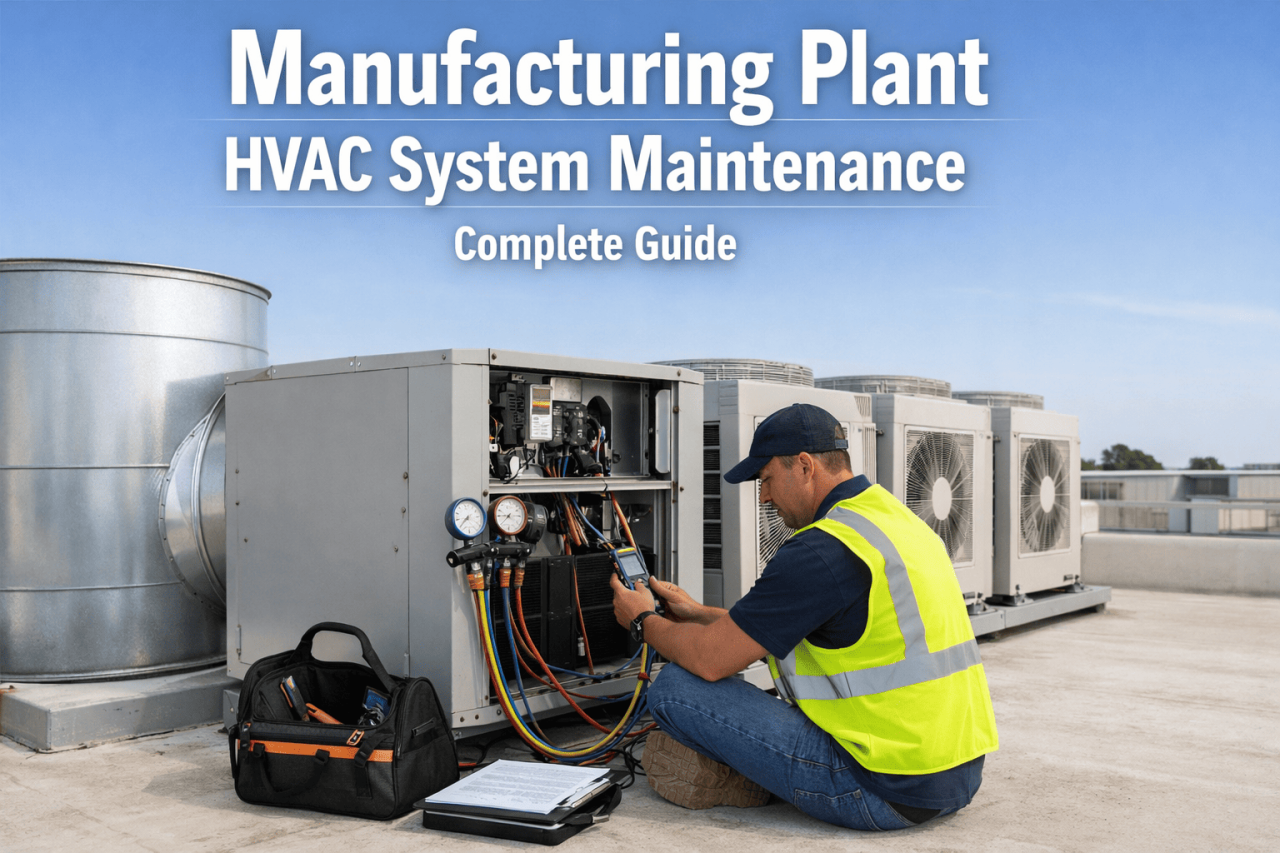
When it comes to industrial HVAC systems, hiring professional maintenance services is crucial for ensuring optimal performance and longevity of the equipment.
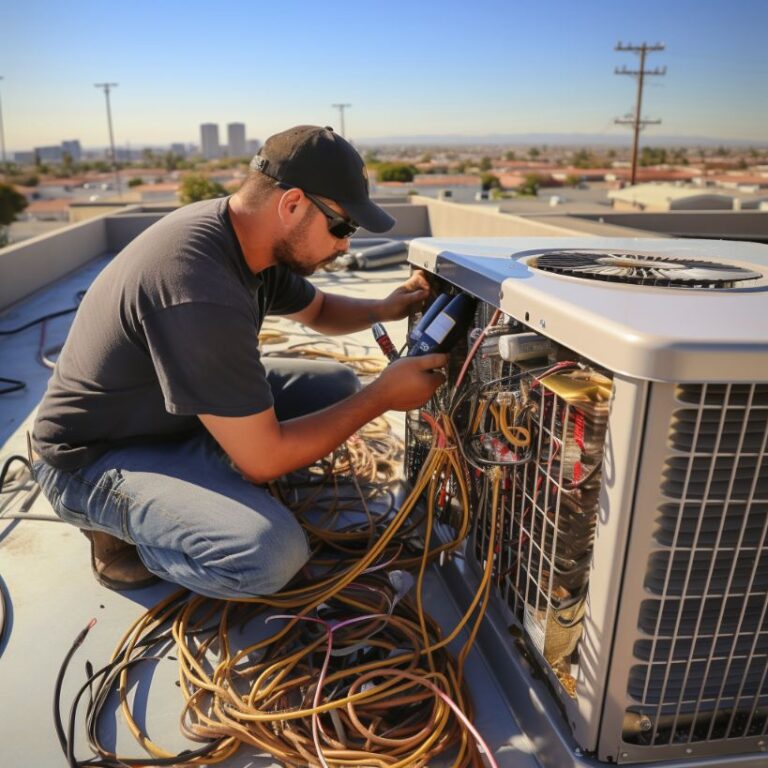
Professional HVAC technicians possess the expertise and specialized tools necessary to conduct thorough maintenance in industrial settings. They are trained to identify potential issues, perform intricate repairs, and optimize the system for maximum efficiency.
When selecting a maintenance service provider for industrial HVAC systems, it is essential to consider factors such as experience, reputation, and certifications. Look for a company that has a proven track record in servicing industrial HVAC systems and offers comprehensive maintenance plans tailored to your specific needs.
What are the key benefits of regular HVAC maintenance?
Regular HVAC maintenance can lead to cost savings, improved energy efficiency, and a healthier indoor environment for employees.
How can preventive maintenance help industrial facilities?
Preventive maintenance can help industrial facilities avoid costly repairs, reduce downtime, and ensure optimal HVAC system performance.
What are some common HVAC issues in industrial settings?
Common HVAC issues in industrial settings include poor airflow, uneven heating/cooling, and system breakdowns affecting productivity and employee comfort.
Why is professional maintenance service important for industrial HVAC systems?
Professional maintenance services offer expertise, tools, and efficient maintenance practices tailored to industrial settings, ensuring optimal system performance and longevity.