
24-Hour HVAC Repair Near Me: Emergency Service Fees and Common Repairs
In the realm of HVAC repairs, emergencies can strike at any moment. This article delves into the world of 24-hour HVAC repair services, exploring the need for immediate responses, common repair scenarios, and the costs involved. As we navigate through the intricacies of emergency service fees and common repairs, let’s uncover key insights that can help you tackle HVAC issues effectively.
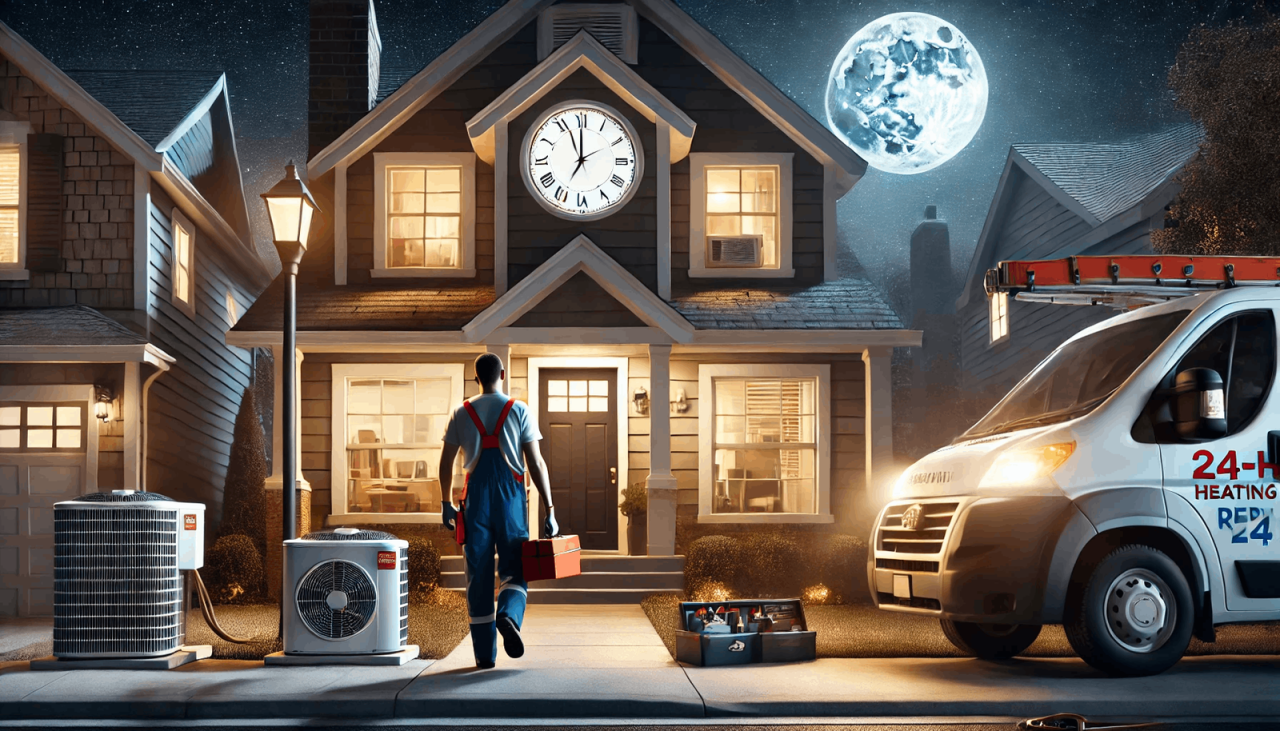
Emergency HVAC repair services are essential for addressing urgent issues with heating, ventilation, and air conditioning systems. These services are available 24/7 to provide immediate assistance to customers facing HVAC emergencies.
Immediate response in HVAC emergencies is crucial to prevent further damage to the system, ensure the safety and comfort of occupants, and minimize downtime. Delaying repairs can lead to more extensive issues and costly repairs in the long run.
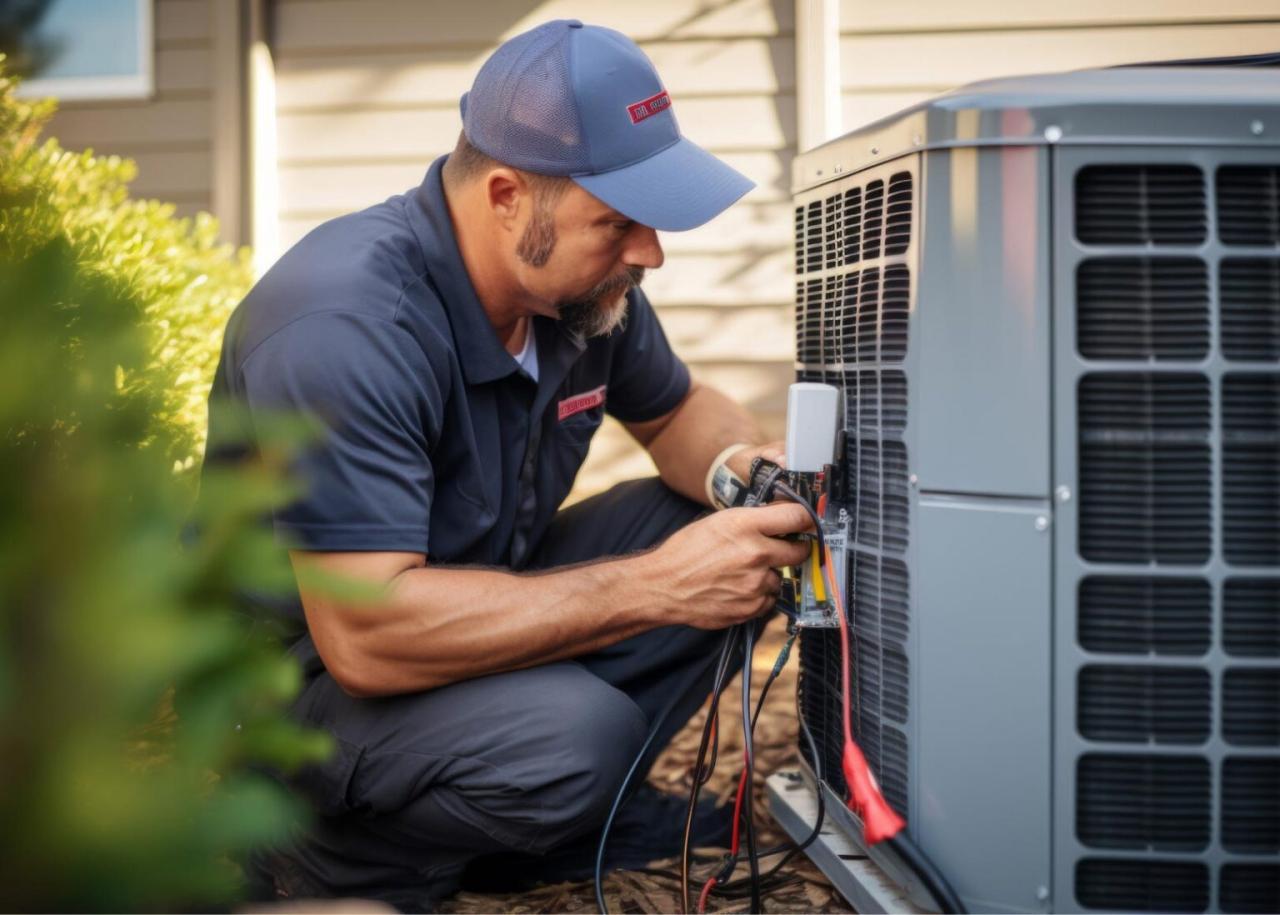
24-hour HVAC repair services offer round-the-clock assistance for any heating, ventilation, or air conditioning emergencies that may arise. These services provide quick solutions to ensure your home or business remains comfortable and safe at any time of the day or night.
Not all HVAC repair providers offer 24-hour emergency services. It’s essential to research and choose a company that provides round-the-clock assistance to ensure you can get help when you need it the most.
When it comes to HVAC systems, there are several common issues that may require repair. Understanding these common problems can help you address them promptly and prevent further damage to your system.
Refrigerant leaks are a common issue that can cause your HVAC system to malfunction. The repair process involves locating the leak, repairing it, and recharging the system with the correct amount of refrigerant. It is important to address refrigerant leaks promptly to ensure optimal performance of your HVAC system.
A faulty thermostat can lead to temperature inconsistencies and poor performance of your HVAC system. The repair process usually involves calibrating or replacing the thermostat to ensure accurate temperature control. This is a relatively simple repair that can greatly improve the efficiency of your system.
Clogged air filters can restrict airflow and reduce the efficiency of your HVAC system. The repair process typically involves replacing the air filters with new ones to improve air quality and system performance. Regularly changing air filters can prevent this common issue and prolong the lifespan of your HVAC system.
Electrical issues such as faulty wiring or blown fuses can cause your HVAC system to stop working. The repair process may involve inspecting the electrical components, replacing damaged parts, and ensuring proper connections. It is crucial to address electrical issues promptly to prevent further damage to your system.
Fan problems, such as a malfunctioning motor or damaged blades, can affect the airflow in your HVAC system. The repair process may involve repairing or replacing the fan motor, blades, or other components to restore proper airflow. Addressing fan problems promptly can prevent overheating and system breakdowns.
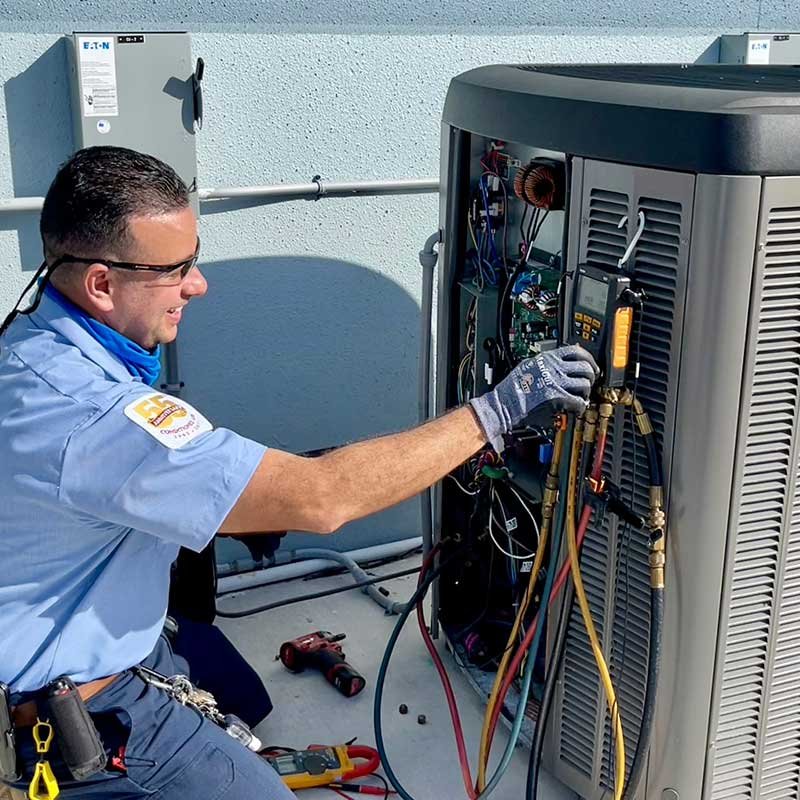
When it comes to emergency service fees for HVAC repairs, it’s important to understand how they are typically structured by HVAC companies. These fees are often higher than standard service fees due to the urgency and immediate response required for emergency situations.
HVAC companies usually charge a flat rate for emergency service calls, which covers the technician’s time and travel expenses.
What are some common scenarios that may require emergency HVAC repair?
Common scenarios include sudden breakdowns during extreme weather conditions, gas leaks, and carbon monoxide leaks.
How are emergency service fees typically structured by HVAC companies?
Emergency service fees are usually a flat rate charged on top of regular repair costs and vary among providers.
What are some tips to minimize emergency service fees for HVAC repairs?
To reduce fees, consider regular maintenance, prompt response to issues, and finding providers with transparent pricing.